- Visa Required: No (visa free for most nationalities)
- Currency: Trinidad and Tobago dollar (TTD)
- Language: English
- Best Months: January, February, March, April, May
- Average Temperature: 27.8°C (82°F)
- Airport: Piarco International Airport (POS)
Car Rental in Trinidad
Car rental in trinidad gives you freedom to explore the island at your own pace. Trinidad covers 4,768 square kilometers with diverse attractions spread across the northern and central regions. You control when and where you visit without waiting for scheduled transportation. Most major rental companies operate at Piarco International Airport for convenient pickups.
Several international and local rental agencies serve Trinidad's tourism needs. Avis, Budget, and Hertz operate at the airport and in Port of Spain. Local companies like Auto Rentals Trinidad and Thrifty also offer competitive rates. You need a valid driver's license from your home country and typically a credit card for the rental deposit.
Rental prices vary by season and vehicle type. The dry season (January through May) sees higher demand and rates. Economy cars suit solo travelers and couples exploring popular destinations. Families benefit from SUVs that handle both highway and rougher mountain roads. Always verify insurance coverage before signing any rental agreement.
Book your rental before arrival if possible. High season bookings fill quickly, especially for preferred vehicle types. Online reservations often cost less than walk-up rentals. Confirm cancellation policies in case your plans change. Most agencies offer free cancellation up to 24 hours before pickup.
Drivers must be at least 21 years old, though some companies require 25 or older. An International Driving Permit helps, though not strictly required. Keep your rental agreement and insurance documents accessible while driving. Many agencies offer GPS units or recommend downloading offline maps beforehand.
PRO TIP: Rent your car for 2-3 days instead of the full week if you plan mostly taxi use. This saves money while maintaining flexibility for self-drive excursions to remote beaches and hiking trails in the Northern Range.
Taxis in Trinidad

Taxis provide affordable, convenient transportation throughout Trinidad. The island has extensive taxi networks in Port of Spain, San Fernando, and Arima. Taxis operate as shared vehicles called maxi-taxis on fixed routes. Solo taxis available for private hire cost more but offer direct routes to specific destinations.
Maxi-taxis run along established routes and pick up multiple passengers heading in the same direction. This keeps costs low, typically under 10 TTD for short city trips. Routes center on major town hubs where taxis congregate waiting for passengers. You pay the driver when exiting. Maxi-taxis run early morning through evening, though less frequently after dark.
Regular taxis operate 24 hours but require advance booking or street hailing. Rates start at a base fare and increase by distance and waiting time. Negotiate fares before entering an unmetered taxi. Most drivers accept cash only, though some modern taxis use apps like Uber and local services.
Tourist areas like the Port of Spain waterfront and Maracas Bay have taxi stands with posted rates. Hotel concierges arrange reliable taxis for airport transfers and longer journeys. Avoid traveling alone in unmarked taxis late at night. Use official taxi stands rather than street hailing when possible.
Taxi drivers know local attractions, restaurants, and hidden gems. Strike up conversations to get insider recommendations. Tipping is not mandatory but rounding up the fare is appreciated. Most drivers speak English fluently and enjoy discussing Trinidad's history and culture.
Public Transport Options
Trinidad's public transport system combines buses, maxi-taxis, and shared taxi services. The Public Transport Service Corporation (PTSC) operates government buses on major routes. Private minibus operators supplement service with faster routes and more frequent departures. This network connects Port of Spain to all corners of the island.
Buses run from central stations in Port of Spain to San Fernando, Arima, Chaguanas, and other towns. Service runs from early morning until evening, with reduced schedules on Sundays. Fares vary by distance but rarely exceed 15 TTD. Buses fill quickly during rush hours (7-9 AM and 4-6 PM). Expect crowded conditions on popular routes during peak times.
Maxi-taxis complement bus service with faster, more frequent departures on main routes. They operate from transport hubs called "taxi stands" in each major town. Passengers share the vehicle and pay a set fare. Routes cover neighborhoods buses skip, making them ideal for exploring local areas.
Minibuses operated by private companies offer premium service with fewer stops. These vehicles travel faster but cost slightly more than standard maxi-taxis. They run set schedules between major towns. Some travelers prefer minibuses for longer intercity journeys. Book seats in advance during peak travel periods.
PRO TIP: Purchase a reusable transit card at PTSC stations for discounted bus fares if staying over one week. This saves money compared to paying per trip, especially for daily commuting between accommodations and attractions.
Getting Around Trinidad on a Budget
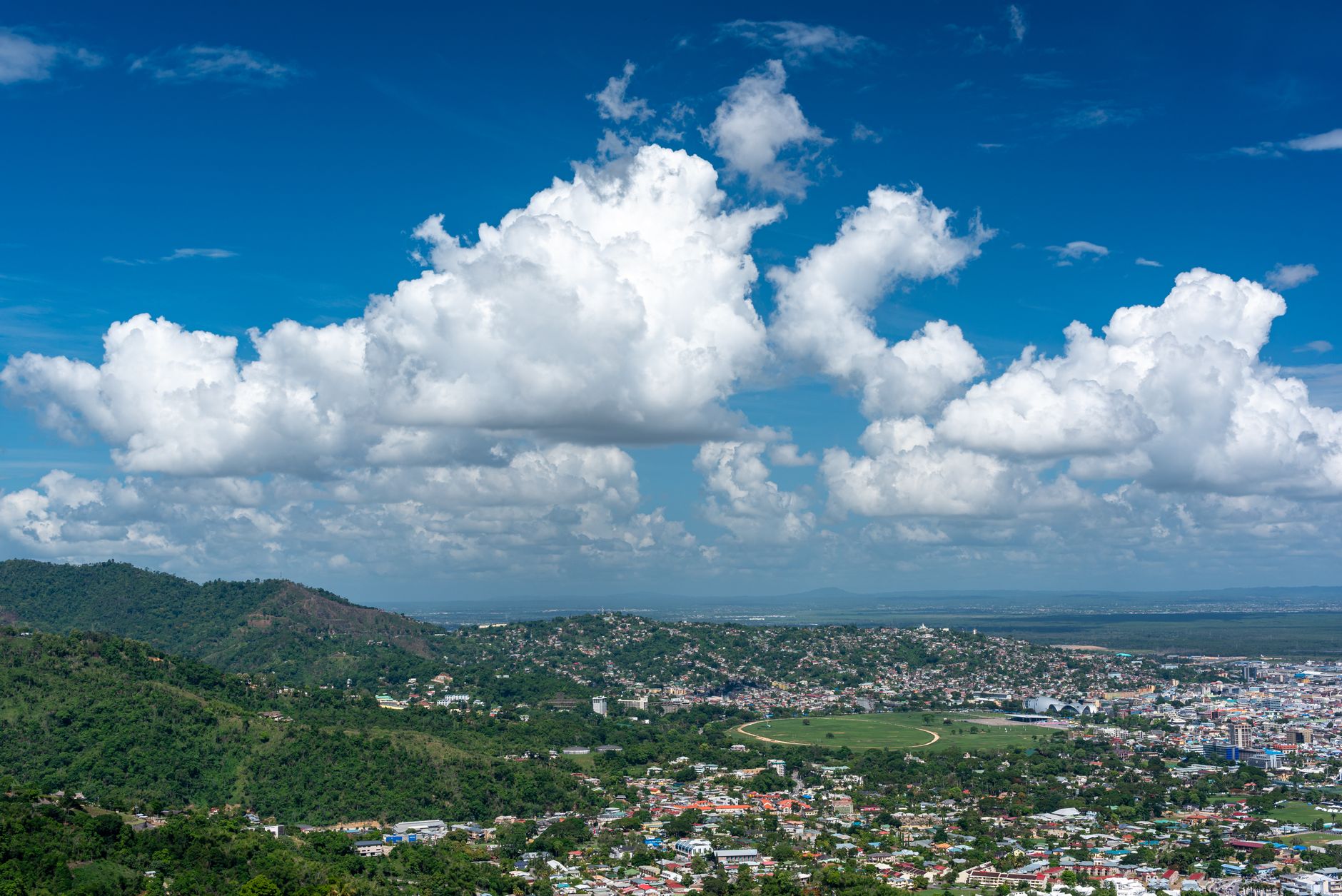
Trinidad welcomes budget travelers with affordable public transport and inexpensive accommodation options. Combining maxi-taxis and public buses keeps daily transport costs under 50 TTD per person. Staying near major towns reduces travel distances and costs. Many backpacker hostels cluster in Port of Spain and Diego Martin areas.
Use PTSC buses for all intercity journeys. Routes connect to Maracas Beach, Manzanilla Beach, and northern attractions. A single bus ticket costs 3-8 TTD depending on distance. Multi-day passes offer better value for frequent travelers. Most tourists never spend more than 15 TTD daily on public transport.
Walk whenever possible in town centers. Port of Spain's downtown core covers most shops, restaurants, and cultural sites within two kilometers. The Waterfront promenade is pedestrian-friendly and free to explore. Walking also reveals local neighborhoods tourists miss from speeding taxis.
Share accommodation costs with other travelers by booking dorms at hostels. This reduces nightly expenses by 50% compared to private rooms. Social spaces at hostels connect you with other travelers for shared excursions. Group travel to destinations like Caroni Swamp reduces per-person costs.
Eat where locals eat to save money on meals. Street food like roti, doubles, and corn soup costs under 20 TTD. Markets in Arima and San Fernando offer fresh produce at reasonable prices. Avoiding tourist restaurants can reduce daily food costs by 60%. Cooking meals in hostel kitchens saves even more money.
Driving in Trinidad: What To Know
Driving in Trinidad requires caution and preparation. The island's traffic can be chaotic, especially in Port of Spain during rush hours. Roads vary from modern highways to narrow mountain passes. Speed limits are 50 km/h in towns and 80 km/h on highways. Drivers must carry a valid license, insurance documentation, and vehicle registration at all times.
Traffic drives on the left side of the road. Seat belts are mandatory for all passengers. Children under five years old must use car seats. Drunk driving laws are strict with penalties including fines and imprisonment. Police conduct roadside checks, particularly at night and on weekends.
Road conditions deteriorate in rural areas and mountainous regions. The Northern Range has narrow, winding roads with tight switchbacks. Visibility decreases during rainy season (June through December). Potholes damage vehicles on secondary roads. Always inspect rental cars for existing damage before driving away.
Gasoline stations are plentiful in towns but scarce in remote areas. Fill up before long journeys into less populated regions. Most stations accept cash only. Prices fluctuate based on international oil markets. Keep spare fuel in a container for extended off-road exploration.
Traffic accidents occur frequently due to aggressive driving and poor road maintenance. Avoid driving at night outside well-lit areas. Keep doors locked at traffic lights in city centers. Park in well-lit, monitored areas. Never leave valuables visible in vehicles, even briefly.
Rental companies include damage waiver insurance options. This protects you from repair costs if minor accidents occur. Read the fine print carefully as some policies exclude certain damage types. Reporting accidents immediately to police is essential for insurance claims.
Scooter and Bike Rental

Scooters and motorcycles offer budget alternatives to car rental in trinidad. These vehicles consume less fuel and navigate crowded streets easily. Several rental shops in Port of Spain and tourist areas offer scooters and motorcycles. Daily rates are significantly cheaper than car rentals. Insurance is mandatory and included in most rental agreements.
Scooters suit short-distance travel and city exploration. They easily handle Trinidad's traffic and park in tight spaces. Helmets are required by law. Many scooter rental shops provide basic helmets, though quality varies. Always check helmet conditions before accepting a rental.
Motorcycles work better for longer journeys and rural exploration. These vehicles handle mountain roads more confidently than scooters. Experienced riders appreciate motorcycles' power and handling. Rental costs remain significantly less than car rentals. You must hold a valid motorcycle license or Trinidad driving license permitting motorcycle operation.
Road conditions and traffic behavior make scooter and bike riding risky for inexperienced riders. Local drivers act unpredictably, and roads have uneven surfaces. Only experienced riders comfortable with aggressive traffic should consider two-wheel rentals. Consider your skill level honestly before booking.
Secure rentals with ID and credit card deposits. Verify that bikes have working lights, mirrors, and brakes. Ask about damage policies and what the rental company considers "normal wear." Parking scooters safely prevents theft. Many accommodations provide secure storage for guests renting two-wheeled vehicles.
PRO TIP: Combine a scooter rental with accommodation in Diego Martin or Maraval to maximize coastal exploration while minimizing rental costs. These areas offer quiet roads perfect for beginner and intermediate riders building confidence.
Frequently Asked Questions
What Is the Best Way To Get From Piarco Airport To Port of Spain?
Piarco International Airport is located 24 kilometers southeast of Port of Spain. Taxis operate from the airport's official taxi stand with posted fares to city destinations. The journey takes 45 minutes to one hour depending on traffic. Alternatively, rent a car at the airport for immediate independence. Airport shuttle buses run occasionally but serve limited routes. Pre-arrange hotel transportation for guaranteed service. Budget 200-400 TTD for a taxi to central Port of Spain depending on traffic conditions.
Do I Need an International Driving Permit To Rent a Car in Trinidad?
An International Driving Permit is not strictly required but highly recommended. Your valid home country driver's license is sufficient for renting and driving. The International Permit provides translation of your license into multiple languages, easing potential police interactions. Obtaining one before departure takes minimal time through automobile associations in your home country. If questioned by police, the permit clarifies your credentials immediately. Most rental companies accept home country licenses from English-speaking nations without hesitation. Carrying both documents maximizes clarity during traffic stops or rental inquiries.
Is It Safe To Drive Alone in Trinidad at Night?
Driving alone at night outside well-lit urban areas carries safety risks. Certain neighborhoods in Port of Spain experience higher crime rates, particularly after dark. Street lighting is minimal on rural roads, making navigation difficult and accidents more likely. Stick to main highways and well-populated areas if driving after sunset. Plan major journeys for daytime when visibility is optimal and traffic is heavier. Taxis remain available for evening travel in towns. Using ride-sharing apps in urban areas provides an alternative to solo driving at night. Hotel staff can advise on safe routes and areas to avoid during evening hours.
What Are the Best Driving Routes To Explore Trinidad's Natural Attractions?
The Saddle Road through the Northern Range offers spectacular mountain scenery and connects Port of Spain to the northern coast. Maracas Bay and Las Cuevas Beach require ascending steep mountain roads rewarding with pristine beaches. The Asa Wright Nature Centre near Blanchisseuse showcases rainforest biodiversity on accessible mountain roads. The Southern Main Road connects coastal villages and beaches along the south coast. The Caroni Swamp requires boat tours rather than driving. The Pitch Lake in La Brea features unique natural formations accessible by car. Allow extra time for these scenic routes due to narrow, winding roads.
How Much Does Car Rental in Trinidad Typically Cost?
Daily car rental rates vary significantly based on season and vehicle type. Economy cars rent for approximately 250-400 TTD per day during high season. Mid-size vehicles cost 400-600 TTD daily. SUVs suitable for rougher roads exceed 600 TTD per day. Weekly rentals offer 15-25% discounts compared to daily rates. Low season (June through November) offers cheaper rates than peak travel months. Insurance adds 50-150 TTD daily depending on coverage level. Online booking often provides better rates than airport walk-up rentals. Compare multiple companies before booking to secure the best available prices.