
Quick Facts:
- Visa Required: No (visa free for most nationalities)
- Currency: Trinidad and Tobago Dollar (TTD)
- Language: English
- Best Months to Visit: January through May
- Average Temperature: 27.8°C (82°F)
- Nearest Airport: Piarco International Airport (POS)
Best Markets in Trinidad
Trinidad offers vibrant markets that reflect the island's diverse culture. The trinidad market scene features everything from fresh produce to handmade goods. Local vendors display items with pride and welcome visitors warmly. You'll experience authentic Caribbean shopping when you visit these markets.
Maraval Market operates in the Maraval area and attracts locals daily. You'll find fresh vegetables, tropical fruits, and seafood here. The market opens early, and vendors arrive before sunrise. Best to visit in the morning for the freshest selection and most energetic atmosphere.
Port of Spain Central Market stands as Trinidad's largest market. This historic market has operated for over 150 years. You'll navigate multiple levels filled with produce, spices, and prepared foods. The architecture itself is worth seeing, with its distinctive red and green structure.
San Fernando Market serves the southern part of the island. This market rivals Port of Spain in size and variety. Local families shop here regularly for daily staples and specialty items. Vendors sell tropical fruits, fresh herbs, and traditional vegetables you won't find elsewhere.
Local Food Markets in Trinidad

Food markets form the heart of Trinidad's shopping culture. Every neighborhood has vendors selling fresh produce and local specialties. These markets open early and close by afternoon. Morning visits guarantee the best selection and lowest prices.
The Central Market in Port of Spain features a dedicated food section. Vendors sell provisions like dasheen, eddoes, and yams. You'll find fresh callaloo, cilantro, and cooking peppers. Seafood vendors offer fresh fish, octopus, and shrimp daily. The spice section offers affordable turmeric, culinary herbs, and traditional seasonings.
Arima Market operates in the central region and draws serious shoppers. The market is smaller but maintains high quality standards. Vendors specialize in fresh produce and prepared foods. You can purchase ready-made rotis, curries, and Caribbean snacks here.
Wet markets throughout Port of Spain neighborhoods serve local residents. These include markets in Laventille, St. Ann's, and Woodbrook. Each market reflects its community's preferences and cultural influences. Visit these areas to see how Trinidadians shop daily.
PRO TIP: Visit markets between 6 AM and 9 AM for the best selection. Vendors are most energetic, produce is freshest, and prices haven't increased. Bring reusable bags and small bills in TTD for easier transactions.
What You'll Find in Food Markets
Fresh tropical fruits dominate Trinidad markets year-round. Mangoes, papayas, and avocados cost much less than in North America. Plantains appear in yellow and green varieties. Coconuts, pineapples, and passion fruit are available seasonally.
Vegetables include both Caribbean staples and common produce. Callaloo is a leafy green used in local cooking. Okra, eggplant, and hot peppers grow locally. Regular tomatoes, lettuce, and onions are also available.
Seafood vendors arrange fresh catches daily. Flying fish and red snapper are local favorites. Shrimp, octopus, and crab appear regularly. Vendors will clean and prepare fish if you request it.
Craft and Souvenir Shopping
Trinidad crafts tell stories of the island's rich heritage. Local artisans create unique items you won't find in chain stores. Shopping for crafts supports small businesses and preserves traditional skills. These items make meaningful souvenirs and gifts.
Artisan Village in Port of Spain houses multiple local craftspeople. You'll find woodcarvers, painters, and jewelry makers working in open studios. Watch artisans create pieces using traditional techniques. You can purchase directly from creators at fair prices.
The Holiday Bazaar operates seasonally and features local crafters. This event brings together dozens of artisans selling handmade goods. Dates vary yearly, so check with your hotel for current information. The bazaar showcases quilts, pottery, and unique decorative items.
Independent craft shops line Ariapita Avenue in Port of Spain. These boutiques carry locally made jewelry, art, and home goods. Shop owners are knowledgeable about their products and artists. Prices reflect quality craftsmanship and fair trade practices.
Types of Crafts Available
Carnival masks and costumes represent Trinidad's most famous craft tradition. Artisans create elaborate feathered masks in bright colors. You can buy smaller decorative masks for display. Full carnival costumes are available but require advance ordering.
Wood carvings showcase local artistry and skill. Craftspeople carve masks, statues, and decorative bowls. Materials include local hardwoods like teak and mahogany. Prices vary based on size and complexity of the piece.
Jewelry designs reflect Caribbean influences and modern styles. Local jewelers work with silver, gold, and semi-precious stones. Many pieces feature tropical motifs and cultural symbols. You'll find unique items not available in mainstream stores.
Paintings and prints celebrate Trinidad's landscapes and culture. Local artists create colorful depictions of carnival, nature, and daily life. Prices range from affordable prints to investment-quality paintings. Many galleries offer shipping to international addresses.
PRO TIP: Ask artisans about their work and techniques. Most craftspeople love sharing their stories. This creates a more meaningful purchase and supports local artists directly. Request shipping information for larger items before buying.
Where To Buy Local Products
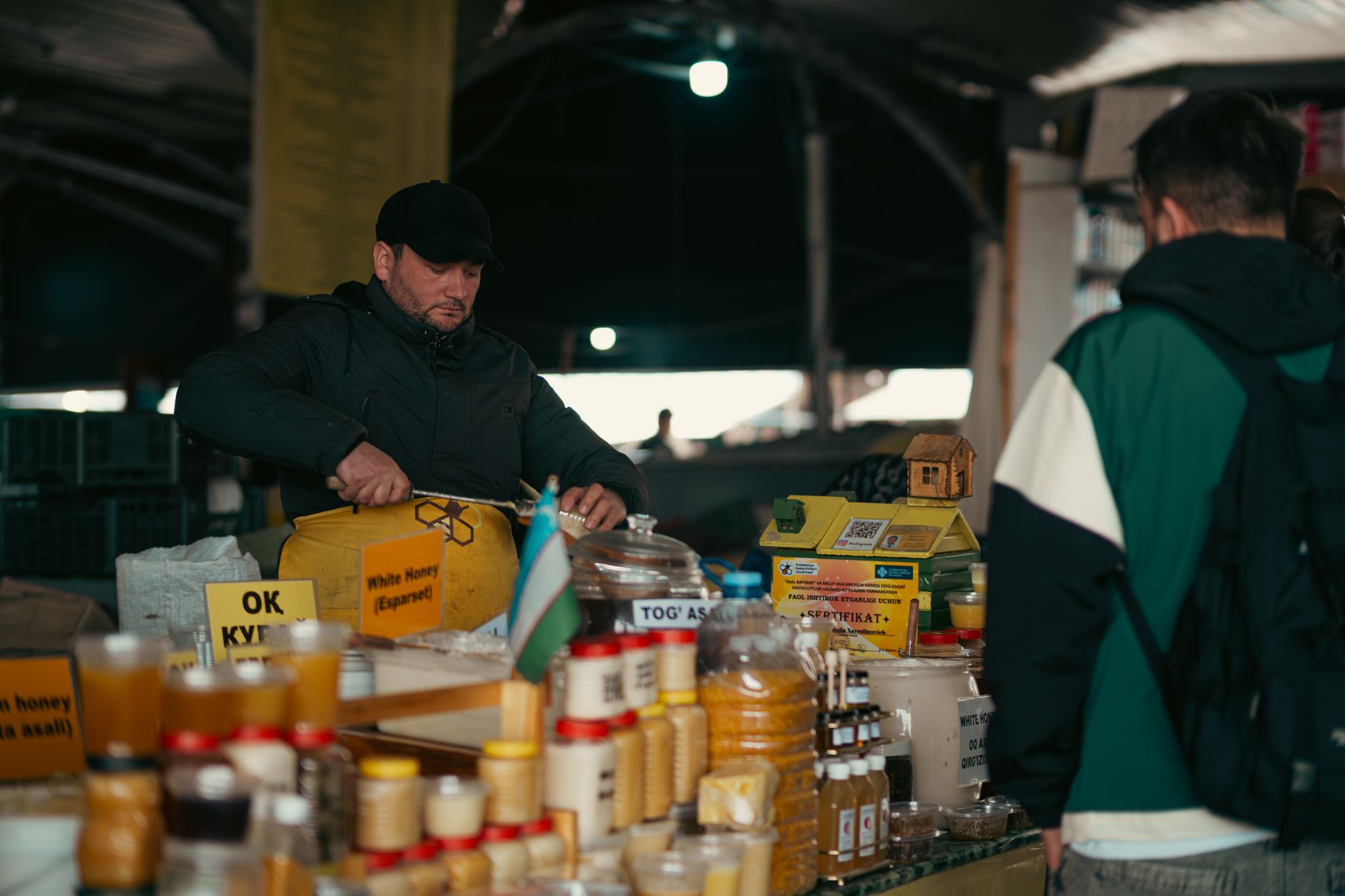
Specific locations throughout Trinidad specialize in local products. Each area offers different items reflecting regional specialties. Shopping locally supports island businesses and communities. You'll discover products not sold in tourist shops.
Port of Spain Central Market remains the most comprehensive shopping destination. Multiple vendors occupy different sections organized by product type. The ground floor features produce and seafood. Upper levels showcase spices, dry goods, and prepared foods.
Chaguanas Market, located south of Port of Spain, serves a large shopping area. This market is less touristy than central locations. You'll see more locals than visitors here. The market offers excellent prices and wide selection.
San Fernando Market in the south operates similarly to Port of Spain's market. The Southern region's largest market draws shoppers from surrounding areas. Vendors sell produce, seafood, and prepared foods. Prices often undercut Port of Spain locations.
Shopping Districts and Streets
Ariapita Avenue in Port of Spain offers the best shopping street experience. This pedestrian-friendly area features boutiques, galleries, and restaurants. Local shops sell clothing, crafts, jewelry, and artwork. The street atmosphere is vibrant, especially on weekend evenings.
Frederick Street in Port of Spain is the traditional shopping district. Large department stores and international brands occupy main locations. Local vendors operate smaller shops between bigger retailers. This street offers mix of local and imported products.
Gulf City Mall in San Fernando serves the southern region. This modern mall includes local shops alongside chain stores. You'll find Trinidad products alongside international brands. Air conditioning makes shopping comfortable in hot weather.
Maraval Road near Port of Spain has specialty shops and local businesses. Small shops sell clothing, household items, and local products. The area feels less touristy than central Port of Spain. You'll see everyday shopping patterns of Trinidadians.
Shopping Hours and Tips
Market hours vary by location and day of week. Most markets open between 5 AM and 7 AM. Markets close between 3 PM and 5 PM on weekdays. Weekend hours extend slightly later on Saturday mornings.
Most retail shops open at 9 AM on weekdays. Shopping hours continue until 5 PM or 6 PM. Saturday hours usually extend from 9 AM to 6 PM. Many shops close on Sundays or open limited hours.
Public holidays affect shopping hours throughout Trinidad. Call ahead if you're visiting during holiday periods. Local festivals like Carnival affect shopping schedules. Plan shopping for regular business days for best access.
Shopping Tips for Visitors
Bring reusable shopping bags to markets and shops. Plastic bag use is discouraged on the island. Bags make carrying purchases easier in crowded markets. Many vendors give discounts if you bring your own bags.
Use small bills and coins for market transactions. Vendors often lack change for large notes. ATMs are available near major markets and shopping areas. Bring TTD currency rather than exchanging at shops.
Bargaining is acceptable in markets but not in retail shops. Friendly negotiation works better than aggressive haggling. Start with polite questions about prices. Vendors appreciate respectful interactions.
Visit markets early for best selection and prices. By midday, vendors have sold popular items. Afternoon shopping means fewer options and slightly higher prices. Morning visits feel more authentic and energetic.
Learn basic Creole phrases to engage with vendors. Saying hello and thank you in the local way builds rapport. Vendors respond positively to visitors who show cultural respect. This makes shopping more enjoyable and personal.
PRO TIP: Never photograph vendors without permission. Ask before taking pictures of people or merchandise. Most vendors will gladly pose if you request politely. Respect for privacy matters greatly in Trinidad communities.
What To Buy in Trinidad
Trinidad offers unique products found nowhere else. Local specialties make excellent gifts and personal souvenirs. Shopping for these items supports island artisans and businesses. You'll bring home authentic pieces of Trinidad culture.
Food and Beverage Products
Rum stands as Trinidad's most famous beverage export. Local distilleries produce high-quality aged rum. Bottles make compact, appreciated gifts. Specialty rum shops offer tasting opportunities before purchase.
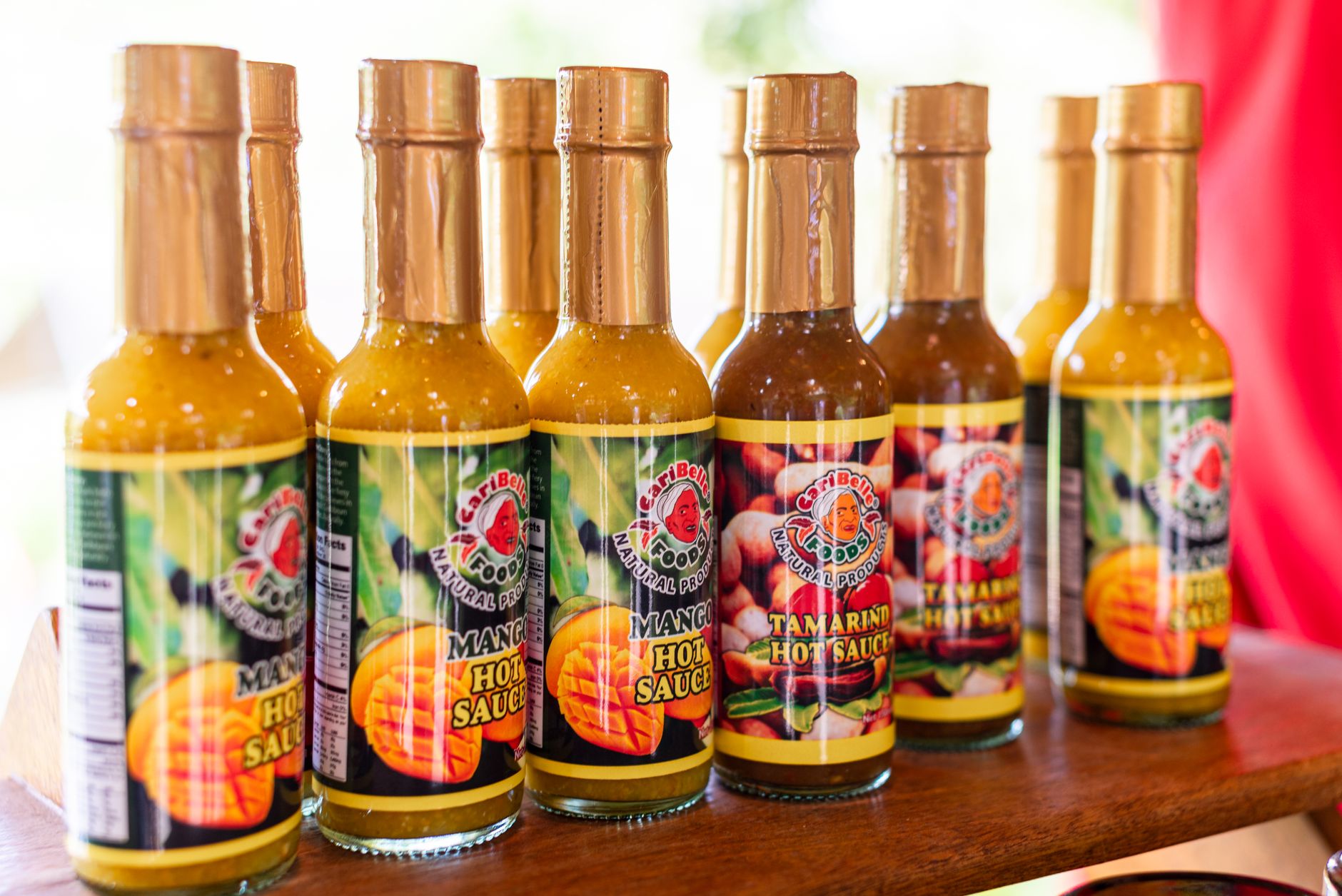
Spice blends and dried herbs showcase local flavors. Vendors sell curry powder, culinary herb mixes, and hot pepper sauces. These products are affordable and travel well. They remind you of Trinidad meals long after your return.
Chocolate from local producers offers Caribbean quality. Trinidad grows cacao beans and produces excellent chocolate. Small artisan chocolate makers sell premium products. These make luxurious gifts compared to imported alternatives.
Hot pepper sauce reflects Trinidad's spicy cooking tradition. Vendors sell multiple heat levels and flavor varieties. Homemade sauces often exceed commercial brands in quality. Small jars travel easily in luggage.
Art and Decorative Items
Carnival-themed artwork celebrates Trinidad's most famous festival. Paintings depict colorful mas players and festive celebrations. Prints are affordable alternatives to original paintings. Smaller pieces fit easily in carry-on luggage.
Steel drum art and miniature instruments are popular souvenirs. Local artists create decorative versions of this unique instrument. These items represent Trinidad's contribution to world music. They make conversation-starting displays in homes.
Hand-painted ceramics and pottery showcase local artistry. Artisans create functional and decorative pieces. Each item is unique and reflects individual artist style. Support local crafts by choosing pottery over mass-produced items.
Clothing and Fashion
Batik clothing and fabrics feature bright Caribbean colors. Local designers create clothing using traditional batik techniques. Sarongs, shirts, and dresses are practical and wearable souvenirs. These items remind you of tropical warmth.
Carnival costumes and accessories vary from simple to elaborate. Small feathered jewelry and mask pins are affordable. Full costumes require advance ordering and measurements. Limited versions available for purchase as conversation pieces.
Frequently Asked Questions
What Is the Best Time To Visit Trinidad Markets?
Visit Trinidad markets between January and May for ideal weather and shopping conditions. These months offer pleasant temperatures and lower humidity. Markets operate year-round, but the dry season brings more foot traffic and vendor variety. Early mornings, particularly 6 AM to 8 AM, provide the best market experience with freshest products and most vendors. Avoid Monday mornings when some vendors take the day off after weekend trading.
Is It Safe To Shop in Trinidad Markets?
Trinidad markets are generally safe for visitors who follow basic precautions. Stay aware of your surroundings and keep valuables secure. Avoid displaying expensive jewelry or cameras unnecessarily. Shop with other tourists or join organized market tours for added security. Visit during daylight hours and avoid carrying large amounts of cash. Market vendors welcome tourists, and locals understand the visitor experience. Most travelers shop without incident when using common sense and respect for community spaces.
Can I Use Credit Cards at Trinidad Markets?
Most market vendors operate cash-only businesses, especially in open-air markets. Bring Trinidad and Tobago dollars for these transactions. Retail shops and malls accept credit cards and debit cards. ATMs are available near major shopping areas and throughout Port of Spain. Always have cash on hand when visiting traditional markets. Some larger market stands may accept cards, but don't rely on this. Call ahead if you need to confirm payment methods for specific vendors.
What Are the Best Souvenirs To Buy in Trinidad?
Top souvenirs include local rum, spice blends, and handicrafts created by island artisans. Carnival-themed artwork and steel drum decorations represent Trinidad culture. Locally made chocolate and hot pepper sauces are affordable and appreciated gifts. Handmade jewelry and ceramic pieces support local artists. Batik clothing and fabrics offer wearable memories of your visit. Avoid purchasing items made from endangered species or protected wildlife. Shopping at local markets and artisan venues ensures authenticity and fair pricing.
Do I Need To Bargain When Shopping in Trinidad?
Bargaining is acceptable in open-air markets but unusual in retail shops. Start with polite questions about pricing rather than aggressive haggling. Vendors appreciate respectful negotiation and may offer small discounts. Bundle purchases together for better prices. Retail stores have fixed prices and don't expect negotiation. Be friendly and engage in conversation with market vendors. Remember that fair prices support artisans and small business owners. Respectful interactions matter more than saving a few dollars.