
allisles.com
Trinidad
allisles.com
Trinidad
Caribbean Island of Trinidad: Complete Travel Guide
Visa Free
Quick Facts
- Visa Required: No (visa free for most nationalities)
- Currency: Trinidad and Tobago Dollar (TTD)
- Language: English
- Best Months: January, February, March, April, May
- Average Temperature: 27.8°C (82°F)
- Nearest Airport: Piarco International Airport (POS)
- Area: 4,768 km²
- Population: 1,360,000
- Coordinates: 10.6918, -61.2225
About the Caribbean Island of Trinidad
Best forAll travelers seeking cultural immersion and natural diversity
Trinidad sits in the Southern Caribbean as part of Trinidad and Tobago. The island lies just 11 kilometers from the coast of South America, making it geographically unique. This proximity to the South American continent shapes Trinidad's culture, wildlife, and cuisine in fascinating ways.
The island covers 4,768 square kilometers and is home to 1,360,000 people. Port of Spain serves as the capital city and the cultural heart of the island. Trinidad's population represents one of the most diverse in the Caribbean, with residents tracing ancestry to Africa, India, Europe, and the Middle East.
English is the official language, making communication easy for most visitors. The Trinidad and Tobago dollar (TTD) is the local currency. Travelers can exchange money at the airport or use ATMs throughout Port of Spain and major towns. Most businesses accept credit cards, though cash remains useful in smaller areas.
The island's location near South America means tropical rainforests cover much of Trinidad's interior. Over 470 bird species live on the island, making it a paradise for birdwatchers. Visitors encounter exotic wildlife including iguanas, anacondas, and countless tropical bird species rarely seen elsewhere in the Caribbean.
Why Visit the Caribbean Island of Trinidad
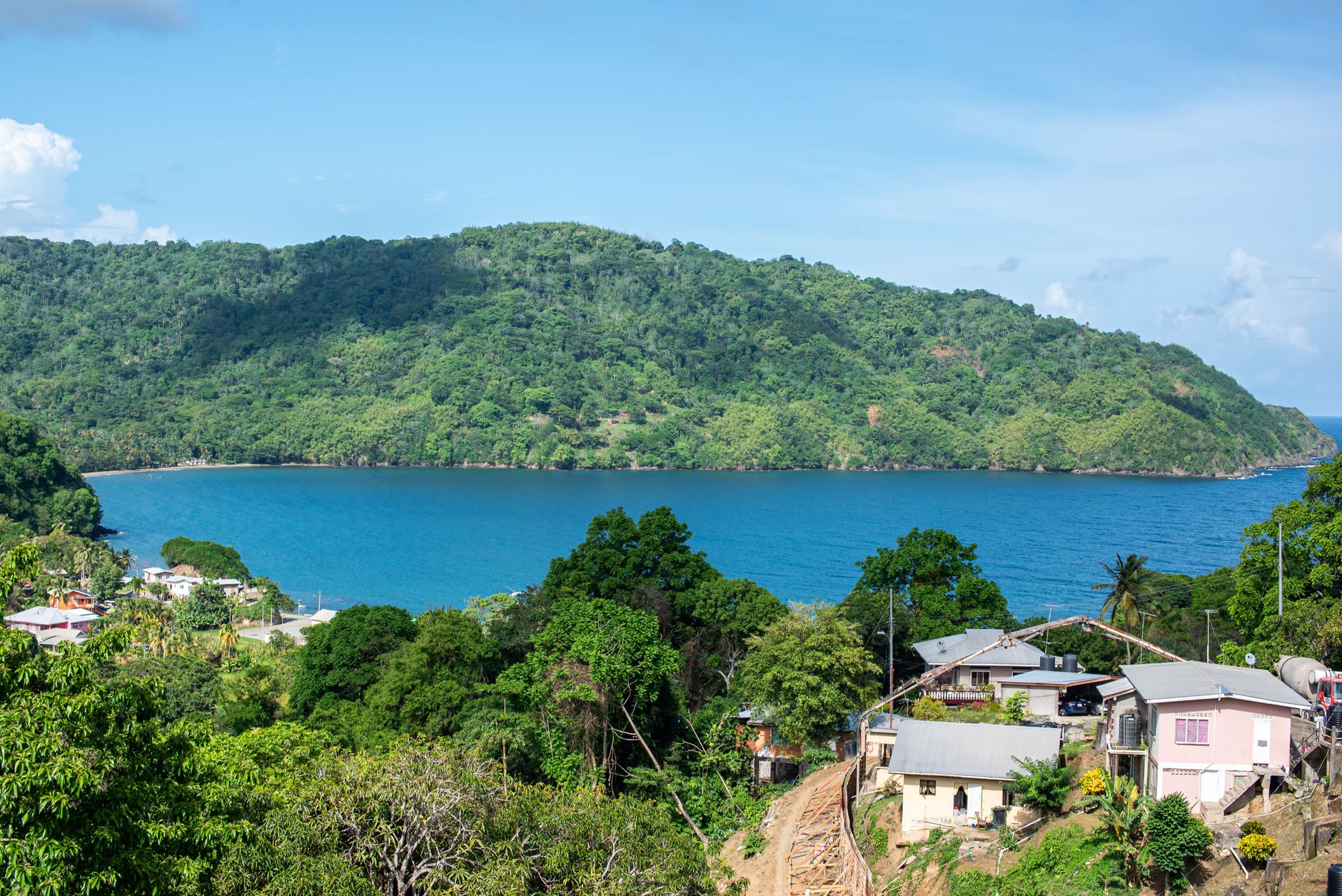
Best forAdventure seekersnature loverscultural enthusiastsmusic fans
Trinidad offers experiences you cannot find on typical Caribbean islands. While other islands focus on beaches and resorts, Trinidad delivers authentic Caribbean culture and pristine natural environments. Visitors witness real Trinidad life, not tourist versions of island life.
The island hosts the world-famous Trinidad Carnival, celebrated annually before Lent. This festival features elaborate costumes, steel pan music, and massive street parties. Dancers and musicians from around the world gather to experience this cultural explosion. The energy and joy are absolutely contagious.
Nature lovers find endless opportunities on Trinidad. The Northern Range mountains offer hiking trails through rainforest. The Asa Wright Nature Centre protects 600 acres of pristine forest filled with wildlife. Manzanilla Beach stretches for nine kilometers of undeveloped coastline. The Caroni Swamp provides unique ecosystems where visitors spot scarlet ibises at sunset.
Water sports enthusiasts enjoy scuba diving, snorkeling, and fishing. The island's coral reefs host tropical fish and sea creatures. Divers explore underwater sculptures and natural reef formations. Fishing charters depart daily from Port of Spain and other coastal towns.
Food culture on Trinidad blends African, Indian, Caribbean, and European influences. Visitors taste dishes like doubles, roti, and callaloo. Street food vendors offer authentic meals at reasonable prices. Restaurants range from casual beach shacks to fine dining establishments.
PRO TIP: Visit during the dry season from January to May for the best weather. The rainy season brings afternoon downpours, though mornings stay sunny. Book Carnival accommodations six months in advance if visiting during February or March.
Trinidad for Families
Best forFamilies with children of all ages
Trinidad provides safe, engaging activities for families traveling with children. The island's laid-back atmosphere and family-friendly attractions make it an excellent destination for kids and parents alike.
The Asa Wright Nature Centre delights children with wildlife spotting. Kids observe macaws, toucans, and hummingbirds from viewing platforms. The facility offers guided nature walks suitable for various ages and fitness levels. Parents enjoy the peaceful forest setting while children learn about tropical ecosystems.
Caroni Bird Sanctuary boat tours captivate young travelers. Evening tours depart as the sun sets, and visitors witness scarlet ibises returning to roost. The guide navigates narrow mangrove channels while children spot birds, fish, and caimans. Tours typically last two to three hours and accommodate all ages.
Maracas Beach is the most popular family beach on Trinidad. The sandy beach stretches for kilometers with calm waters in the northern bay. Families rent umbrellas and beach chairs. Children build sandcastles while parents relax under shade. Nearby vendors sell fresh fish cakes and local snacks.
The Pitch Lake near San Fernando fascinates families with its unusual geology. Kids walk safely on the natural asphalt lake's surface. Local guides explain how the lake formed and why it never completely cools. The experience teaches children about geology in an interactive setting.
Port of Spain's National Museum offers cultural education for older children. Exhibits cover Trinidad's history, art, and natural heritage. Interactive displays engage young minds with local stories and traditions.
Trinidad for Couples

Best forRomantic getaways and honeymoons
Trinidad provides romantic experiences beyond typical Caribbean resort packages. Couples discover authentic island culture, natural beauty, and culinary adventures together.
Sunset watches at Maracas Beach create perfect romantic moments. Couples walk along the shoreline as the sun dips below the horizon. Local vendors sell fresh coconut water served straight from the nut. The casual beach atmosphere encourages relaxation and conversation without pressure.
Rainforest hikes through the Northern Range offer intimate adventures. Couples explore waterfall trails surrounded by lush vegetation and bird calls. The challenging hikes reward effort with refreshing mountain pools for swimming. Private guides can arrange couples-only tours through various nature companies.
Dining experiences showcase Trinidad's culinary scene. Restaurants in Port of Spain offer fine dining with Caribbean fusion cuisine. Couples enjoy meals featuring fresh local seafood and tropical fruits. Many establishments feature live steel pan music or jazz performances during evenings.
The Caroni Swamp tour provides a unique shared experience. Paddling through mangrove channels together creates a sense of exploration and discovery. The stunning bird populations at dusk inspire awe and conversation between partners.
Spa treatments and wellness retreats cater to couples seeking relaxation. Several resorts offer couples' massages and rejuvenation packages. These experiences use local natural ingredients and traditional techniques.
PRO TIP: Arrange private restaurant dining experiences through your hotel concierge. Many upscale establishments offer customized tasting menus for special occasions like anniversaries or proposals.
Trinidad for Solo Travelers
Best forIndependent explorersbudget-conscious travelersculture seekers
Solo travelers find Trinidad welcoming and manageable. The island's smaller size means distances between attractions stay reasonable. English as the official language eliminates communication barriers for most visitors.
Guesthouses and small hotels cater to solo travelers seeking community. Many accommodations arrange group activities like hiking tours or beach outings. Travelers easily meet other visitors and locals in social settings.
Public transportation via minibuses connects most towns and attractions. These minibuses are affordable and frequented by locals. Solo travelers gain authentic insights into island life by riding alongside residents. Routes fan out from Port of Spain to all regions.
Hiking in the Northern Range appeals to independent nature lovers. Well-marked trails like the Maracas Waterfall route are safe for solo hikers. Local guides offer budget-friendly services in Port of Spain. Joining organized group hikes connects solo travelers with other adventurers.
Local markets and street food scenes welcome solo diners. Port of Spain's Mucurapo Street markets offer affordable meals. Solo travelers sit at food stalls and chat with vendors while eating. These casual settings feel safe and authentic.
The island's nightlife centers in Port of Spain's Woodbrook neighborhood. Bars and clubs are active throughout the week. Solo travelers easily strike up conversations with locals and other visitors. Steel pan bars and rum shops offer authentic social experiences.
Best Time To Visit Trinidad

Best forTravelers wanting optimal weather and fewer crowds
The dry season runs from January through May, offering the best conditions for visiting. During these months, rainfall stays minimal and temperatures remain consistent. Humidity levels are lower than during other seasons, making outdoor activities more comfortable.
January offers warm weather without excessive heat. February and March bring Carnival season with peak cultural activities. Carnival requires advance bookings but provides unforgettable experiences. April and May see fewer tourists while maintaining excellent weather conditions.
The rainy season extends from June through December. Afternoon thunderstorms are common but brief. Mornings typically stay dry and sunny. The landscape becomes incredibly green and lush during rainy months.
Hurricane season overlaps with the rainy period, though Trinidad sits south of the typical hurricane belt. Storms rarely affect the island directly. Travelers should monitor weather forecasts and purchase travel insurance regardless of season.
Temperatures average 27.8°C throughout the year. The combination of tropical heat and ocean breezes keeps the climate comfortable. Trade winds provide natural cooling during the day. Nighttime temperatures cool to pleasant levels for sleeping.
Carnival season brings higher accommodation prices and crowded attractions. Budget travelers should visit during May or June for lower rates. Families with school schedules often visit during spring break in April.
What To Pack for Trinidad
Light, breathable clothing works best for the tropical climate. Cotton and moisture-wicking fabrics keep you comfortable. Pack short-sleeve shirts, shorts, and lightweight pants. Bring a light rain jacket for afternoon showers.
Swimwear and beach accessories are essential. Include reef-safe sunscreen for ocean activities. A wide-brimmed hat and sunglasses protect from intense sun. Waterproof bags keep electronics dry during water activities.
Comfortable walking shoes suit rainforest hikes and urban exploration. Waterproof hiking boots protect feet in wet conditions. Flip-flops or sandals work for casual beach days. Bring insect repellent for outdoor adventures.
Getting To Trinidad
Best forAll travelers planning transportation
Piarco International Airport (POS) is Trinidad's main gateway. This modern airport sits 25 kilometers east of Port of Spain. Direct flights connect from North America, Europe, and other Caribbean islands.
Major airlines including Caribbean Airlines, American Airlines, and Delta serve the airport. Flight times from Miami average four hours. From New York, expect six-hour flights. Caribbean connections from Barbados take about two hours.
The airport offers car rental companies, taxi services, and shuttle options. Arrange transportation in advance through your hotel. Taxis from the airport to Port of Spain cost approximately 150 to 200 TTD. Rental cars provide flexibility for exploring remote areas.
Inter-island flights connect Trinidad to Tobago through Caribbean Airlines. The short flight takes 20 minutes. Ferry service also operates between the islands during specific seasons, though schedules fluctuate frequently.
Once on the island, minibuses provide budget-friendly transportation. These shared vans run fixed routes and charge fares between 3 and 10 TTD. Drivers stop anywhere along their routes to pick up and drop off passengers.
Taxis operate throughout the island without meters. Negotiate fares before entering the vehicle. Ride-sharing apps operate in Port of Spain and major towns.
PRO TIP: Book car rentals in advance through international companies for better rates and vehicle selection. Driving on the left side of the road takes adjustment. Hire a local driver if you feel uncomfortable with unfamiliar roads. Bring an international driving permit along with your regular license.
Frequently Asked Questions

Do I Need a Visa To Visit Trinidad?
Most nationalities enter Trinidad visa-free for tourism. Citizens of the United States, Canada, United Kingdom, Australia, and many other countries enjoy visa-free access. Your passport must remain valid for at least six months beyond your stay. Some nationalities require advance visas, so check bilateral agreements specific to your country before booking flights. The official Trinidad and Tobago government website lists all visa requirements by nationality.
What Is the Best Beach on Trinidad?
Maracas Beach is Trinidad's most famous and popular beach. The long sandy shore offers calm waters, food vendors, and shade facilities. Manzanilla Beach provides a quieter alternative with nine kilometers of undeveloped coastline. Las Cuevas Beach in the north offers scenic surroundings and fewer crowds. Each beach suits different preferences, so consider your priorities when choosing.
Is Trinidad Safe for Tourists?
Trinidad is generally safe for tourists who use common sense and avoid certain neighborhoods in Port of Spain. Stick to tourist areas and travel with companions when possible. Avoid displaying expensive jewelry or electronics. Stay aware of your surroundings like you would in any major city. Contact your embassy before traveling for updated safety information. Thousands of tourists visit safely each year by following these basic precautions.
What Currency Do I Need for Trinidad?
The Trinidad and Tobago dollar (TTD) is the local currency. Exchange money at the airport or use ATMs throughout the island. Credit cards work at most restaurants and hotels but carry cash for street vendors and minibuses. Approximately 6.7 TTD equals one US dollar, though rates fluctuate. Inform your bank of travel dates to avoid credit card fraud blocks.
Can You Dive and Snorkel in Trinidad?
Yes, Trinidad offers excellent scuba diving and snorkeling opportunities. Coral reefs and underwater formations create diverse dive sites. The island's proximity to South America creates unique marine ecosystems. Several dive shops in Port of Spain and coastal towns offer certification courses and guided dives. Snorkeling works well at Maracas Beach and other protected areas. Water visibility averages 20 to 30 meters during the dry season.


